
Drywall is one of the most common materials in modern homes, but it has one major weakness: water. A small amount of moisture may leave little more than a stain, while prolonged or repeated exposure can damage the wall, create conditions for mold growth, and signal a larger problem behind the surface.
Understanding how drywall responds to moisture can help homeowners recognize trouble early and avoid more expensive repairs.
Why Drywall and Water Don’t Mix
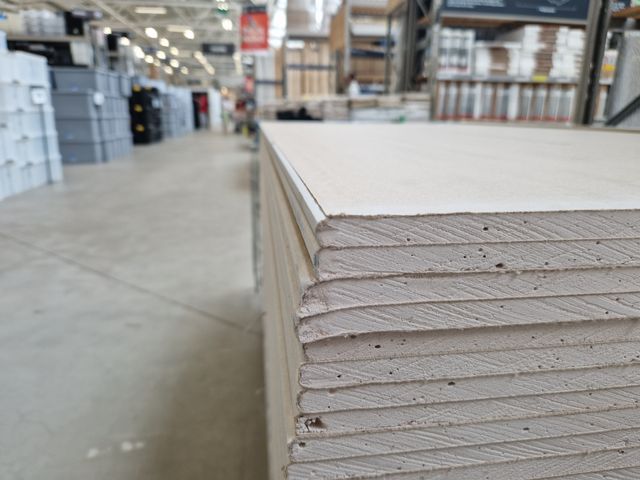
Most drywall consists of a gypsum core sandwiched between layers of paper. Gypsum itself can tolerate limited humidity, but the paper facing and the core can deteriorate when exposed to excessive moisture.
A minor plumbing leak or condensation problem may initially produce only a faint discoloration. If the moisture continues, the drywall can become soft, swollen, or distorted. Fasteners may also begin to show through the surface, and seams can crack or become more noticeable.
Once drywall has become substantially saturated, simply allowing it to dry may not restore it to its original condition.
Where Moisture Problems Commonly Start
Water damage is not always caused by an obvious flood. Common sources include:
- Roof and flashing leaks that allow rainwater into walls or ceilings
- Plumbing leaks around bathrooms, kitchens, and laundry areas
- Condensation on cold surfaces, especially during damp weather
- Poor ventilation in bathrooms and other moisture-producing areas
- Exterior drainage problems that allow water to enter through foundations or walls
- Appliance leaks from water heaters, dishwashers, washing machines, or refrigerators
In some cases, the visible stain is several feet away from the actual source. Water can travel along framing, insulation, or other building materials before appearing on the drywall.
Signs Worth Paying Attention To
Not every discoloration means a major problem, but certain changes deserve investigation. Watch for brown or yellow staining, bubbling paint, peeling finishes, swollen drywall, soft spots, musty odors, or recurring discoloration.
A particularly important clue is a stain that returns after being cleaned or painted. That often suggests the moisture source has not been corrected.
What Should Be Done?
The first priority is to find and stop the source of moisture. Drying or replacing damaged drywall without addressing the cause only treats the symptom.
For a minor, isolated incident, prompt drying and monitoring may be appropriate. Materials that remain wet should be dried as quickly as practical, using ventilation, dehumidification, or professional drying equipment when necessary.
If drywall is visibly deteriorated, repeatedly exposed to moisture, or accompanied by suspected microbial growth, further evaluation and appropriate repair may be warranted.
The Bottom Line
Drywall can hide moisture problems until the damage becomes visible. A stain on a ceiling or wall is therefore more than a cosmetic issue—it can be a useful warning that water is getting somewhere it shouldn’t.
Early detection matters. Finding the source, correcting it, and evaluating the affected materials can help prevent a small moisture problem from becoming a much larger repair.