
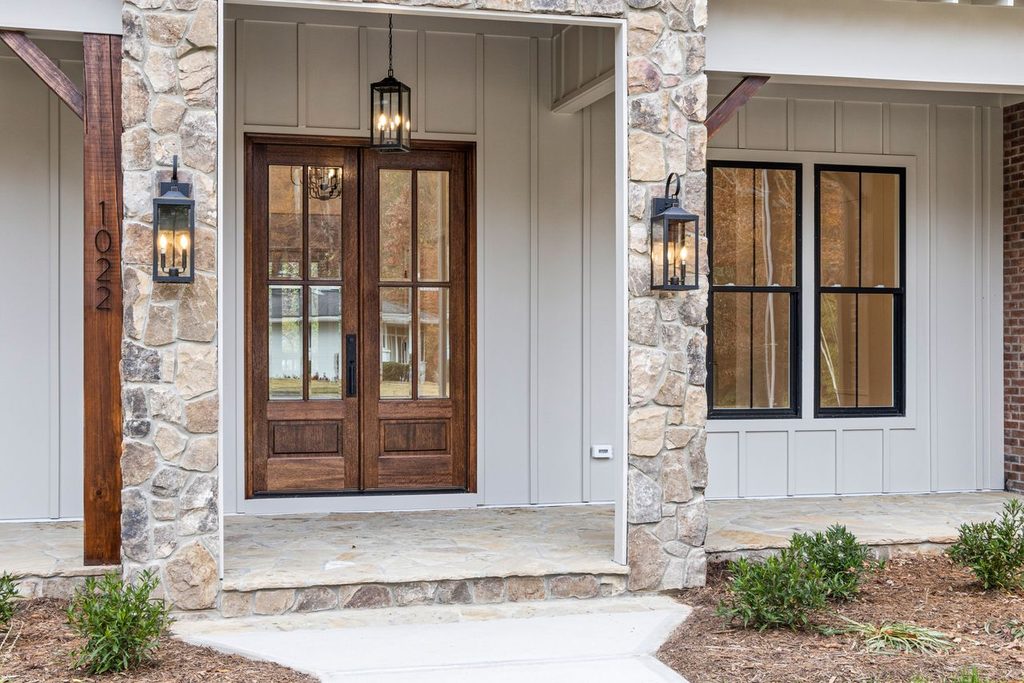
Exterior doors do more than welcome guests. They help protect your home from intruders, keep out moisture, and maintain indoor comfort. In the Pacific Northwest, where frequent rain, damp conditions, and seasonal temperature changes can take a toll on building materials, regular door maintenance is especially important.
The good news? A few simple checks and routine upkeep can help your exterior doors last longer and perform as they should.
🌧️ 1. Check for Signs of Moisture Damage
Rain and persistent dampness can affect door slabs, frames, trim, and surrounding materials. Look for peeling paint, swollen wood, soft spots, discoloration, or bubbling finishes.
Pay particular attention to the bottom edges of wood doors and the lower corners of door frames, where moisture damage can go unnoticed.
Practical tip: Keep painted surfaces in good condition, and repair failed caulking around exterior trim as needed. Remember, caulk should not block drainage openings or cover areas designed to let water escape.
🚪 2. Inspect Weatherstripping and Door Sweeps
Worn weatherstripping can allow drafts, rain, insects, and outdoor air to enter your home. Check the seal around the entire door and inspect the sweep along the bottom.
Close the door and look for visible gaps or daylight around the edges. Replace damaged weatherstripping with a product suited to your door and climate.
A good seal can improve comfort and help prevent wind-driven rain from reaching interior finishes.
🔒 3. Make Sure Your Doors Are Secure
A strong lock is only part of the equation. The door, hinges, frame, and strike plate all contribute to security.
- Test the deadbolt: It should extend fully and operate smoothly without forcing the key or thumb turn.
- Inspect the strike plate: Make sure it is firmly attached and properly aligned with the lock.
- Check the hinges: Tighten loose screws and look for signs of damage.
- Evaluate the frame: Rot, splitting, or loose trim may indicate a problem that needs further investigation.
Longer screws can sometimes improve strike-plate attachment when properly installed into sound framing. However, screw length alone does not guarantee a secure door.
🛠️ 4. Keep Doors Operating Smoothly
A door that sticks, drags, or refuses to latch may have loose hardware, worn hinges, or alignment problems. Changes in moisture can also cause wood doors to swell.
Don’t simply force the door shut. Identify the cause, tighten loose hardware, and address damaged components before the problem worsens.
🔍 5. Inspect Regularly
Make exterior doors part of your seasonal home maintenance routine. Check them after periods of heavy rain and whenever you notice drafts, leaks, or changes in operation.
The bottom line: Well-maintained exterior doors help protect your home from moisture, improve everyday comfort, and provide an important layer of security. A few minutes of inspection and timely repairs can prevent small issues from becoming costly problems.