
There is nothing quite like stepping into a new home filled with possibility. Unfortunately, if the previous occupants were smokers, that excitement can quickly fade when stale nicotine odors linger in the air. Cigarette smoke doesn’t simply disappear after the furniture is removed—it settles into walls, ceilings, flooring, insulation, and even ventilation systems.
The good news? With the right approach, even stubborn smoke odors can be dramatically reduced or eliminated.
Why Nicotine Odors Are So Persistent
Tobacco smoke leaves behind a sticky residue known as third-hand smoke. This invisible film clings to almost every surface it touches, trapping odors long after smoking has stopped. Simply opening windows or spraying air fresheners may temporarily mask the smell, but the source of the odor remains.
To truly freshen the home, the residue itself needs to be removed.
Start With a Deep Clean
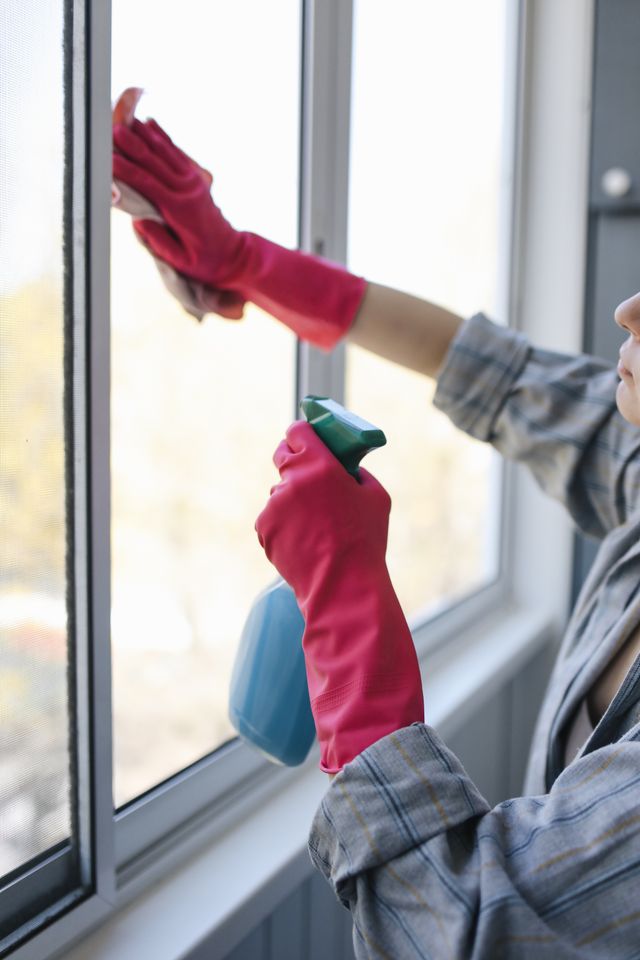
Before replacing flooring or repainting walls, give the entire home a thorough cleaning.
Focus on:
- Walls and ceilings
- Doors, trim, and baseboards
- Cabinets and shelving
- Windows, blinds, and light fixtures
A heavy-duty degreasing cleaner or products specifically formulated to remove smoke residue are often far more effective than standard household cleaners.
Cleaning first prevents sealing dirt and nicotine beneath fresh paint.
Don’t Forget the HVAC System
One commonly overlooked source of lingering smoke odors is the heating and cooling system. Dust mixed with nicotine residue can circulate throughout the house every time the system runs.
Replacing air filters is an excellent first step, but older homes or heavily smoked-in properties may benefit from professional duct cleaning if contamination is significant.
Seal Before You Paint
If discoloration or odor remains after cleaning, applying a stain- and odor-blocking primer is one of the most effective solutions. These specialty primers help lock in remaining nicotine stains and prevent odors from bleeding through fresh paint.
Once primed, repainting with quality interior paint gives the home a noticeably cleaner appearance and smell.
Evaluate the Flooring
Carpet is particularly effective at absorbing cigarette smoke over time. In many cases, professional steam cleaning can improve the situation, but heavily contaminated carpet and padding may need replacement.
Hard flooring generally responds much better to deep cleaning, although grout lines and unfinished wood can sometimes retain odors.
Small Details Make a Big Difference
Smoke residue often hides in unexpected places, including:
- Light switch covers
- Electrical outlet covers
- Ceiling fans
- Air vents
- Closet interiors
Cleaning these overlooked areas helps remove the last traces of lingering odor.
A Fresh Home Starts Below the Surface
Nicotine odors are rarely caused by a single source. Instead, they are usually the result of residue spread throughout the home’s finishes and systems. Tackling the problem methodically—from cleaning and ventilation to sealing and repainting—produces the best long-term results.
A little extra effort before moving day can make the difference between a home that merely looks clean and one that truly feels fresh. By addressing smoke residue at its source, new homeowners can begin their next chapter with cleaner air, a more inviting living space, and the confidence that lingering odors have been left behind.