
Getting a home ready for market often inspires a burst of last-minute projects. A fresh coat of paint here, a quick repair there—it all seems helpful. But not every do-it-yourself fix improves value or buyer confidence. In fact, some of the most common pre-sale projects can create more questions than reassurance.
Below are a few well-intentioned efforts that tend to miss the mark.
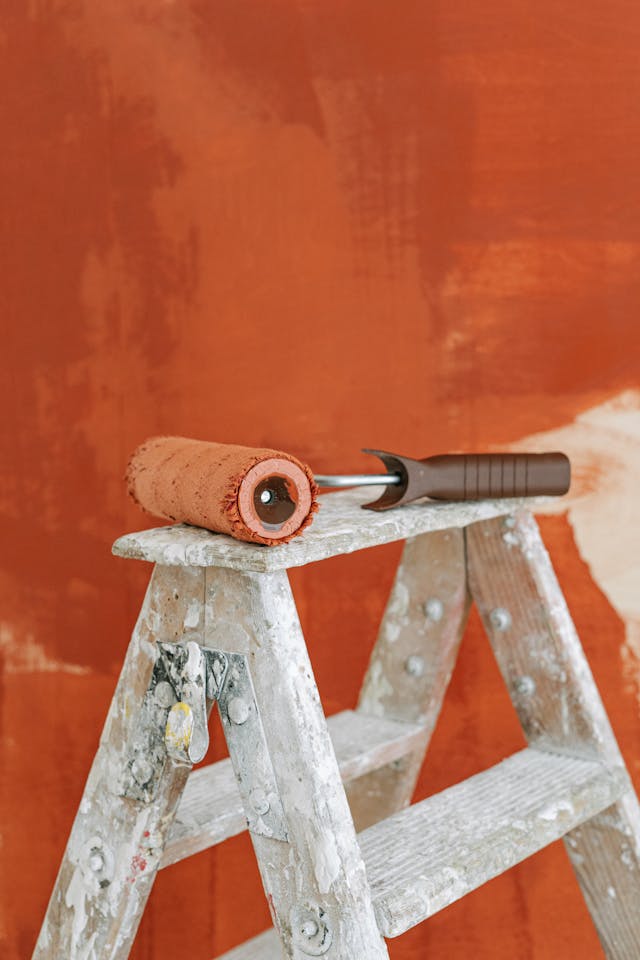
Overpainting Everything in Sight
Paint can do wonders—but only when it’s done thoughtfully. Slapping thick coats over peeling trim, damp drywall, or smoke-stained ceilings often traps underlying issues rather than solving them. Buyers (and inspectors) notice uneven textures, bubbling, or mismatched finishes right away.
A rushed paint job can signal that something is being concealed. Addressing the root issue—whether it’s moisture, ventilation, or surface damage—goes much further than covering it up.
Partial Repairs That Raise More Questions
Replacing a single section of flooring in an otherwise worn room, patching only part of a roof, or fixing one visible plumbing leak while ignoring others can make the home feel inconsistently maintained.
Buyers tend to wonder: What else wasn’t addressed? In many cases, incomplete fixes draw more attention than leaving things as-is, especially if the repair stands out visually.
Improvised Electrical or Plumbing Work
This one comes up often. Swapping out fixtures, adding outlets, or rerouting plumbing without proper methods or permits can introduce safety concerns. Even if everything appears functional, exposed wiring, loose connections, or unconventional installations can quickly become red flags.
These kinds of updates don’t just affect buyer confidence—they can complicate financing and insurance as well.
DIY Cosmetic “Upgrades” That Feel Outdated
Peel-and-stick backsplashes, trendy cabinet colors, or budget countertop overlays might seem like easy wins. But when materials look temporary or styling feels overly specific, buyers may mentally add replacement costs to their offer.
Simple, clean, and neutral typically works better than trying to chase design trends on a tight budget.
Ignoring the Small but Telling Details
Loose handrails, sticking doors, missing trim pieces, and worn caulking might seem minor. But taken together, they shape the overall impression of how the home has been cared for.
Ironically, homeowners sometimes focus on larger cosmetic projects while overlooking these smaller maintenance items that buyers notice immediately during a walkthrough.
Covering Instead of Correcting Moisture Issues
Few things raise concern faster than signs of water problems. Painting over stains, placing new flooring over damp subfloors, or sealing areas without proper drying and repair rarely holds up under scrutiny.
Moisture issues tend to reappear—and when they do, they can derail a sale or lead to renegotiation.
A Better Approach Before Listing
Preparation doesn’t have to mean a long list of upgrades. The most effective steps are often the simplest: ensure systems are functioning as intended, address visible defects properly, and keep the home clean and well-maintained.
When in doubt, focusing on transparency and quality over quick fixes helps create confidence—and confidence is what ultimately moves a sale forward.