
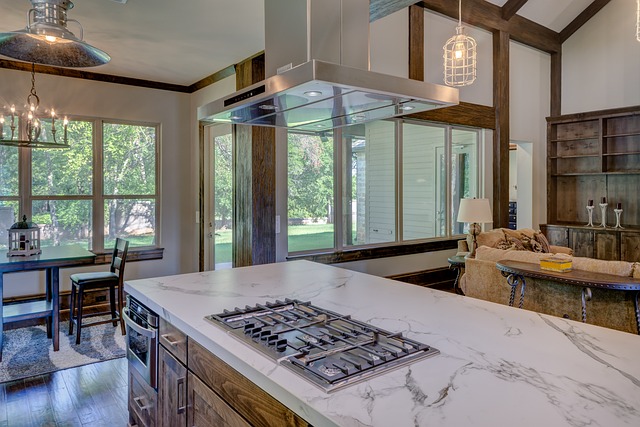
The Surface That Works Hardest in the Kitchen
A kitchen countertop does far more than complete the room’s appearance. It serves as a daily work surface, a gathering place, and one of the most heavily used components in the home. From hot cookware and sharp knives to spilled oils and constant cleaning, countertops endure years of wear. Choosing the right material means balancing durability, maintenance, moisture resistance, and visual appeal.
Start with Your Household Routine
Picture a typical day in the kitchen. Breakfast plates slide across the surface, vegetables are chopped, grocery bags are dropped, and glasses occasionally tip over. In a busy household, a countertop should resist stains, scratches, and impact.
Quartz is a popular choice because it offers a smooth, stone-like appearance with dependable performance. Its non-porous surface resists moisture and does not require sealing. Granite provides natural character and strong heat resistance, though it benefits from periodic maintenance. Laminate remains a practical option for homes seeking style and affordability, while solid surface materials create seamless counters with integrated sinks and repairable finishes.
Look Closely at Moisture and Seams
Countertops often fail around sinks, faucets, and poorly sealed joints rather than across the main surface. Water can creep into seams, causing swelling, staining, or separation over time.
A well-installed countertop should have tight joints, even support, and properly sealed edges. Around the sink, the transition should feel solid and smooth, with no gaps where moisture can collect. These construction details are just as important as the material itself.
Match the Surface to the Kitchen’s Style
Countertops shape the room visually. Polished quartz reflects light and gives the kitchen a clean, contemporary look. Granite introduces dramatic veining and natural depth. Butcher block adds warmth with rich wood grain, while concrete offers an industrial, sculpted appearance.
The ideal surface complements cabinetry, flooring, and backsplash materials rather than competing with them. Texture, color variation, and edge profile all influence the final impression.
Think About Long-Term Care
Every material has maintenance requirements. Natural stone may need sealing, wood requires regular oiling, and some surfaces are more vulnerable to heat or scratches. Understanding these needs before installation helps prevent future disappointment.
A countertop should fit comfortably into the household’s cleaning habits and expectations.
A Surface Built for Everyday Living
The right kitchen countertop combines strength, practicality, and design. When daily use, installation quality, maintenance, and appearance are considered together, the result is a surface that performs reliably and enhances the kitchen for years to come.