
Lead is rarely visible, yet it can be present in many parts of a house—especially those built before modern safety standards were in place. Understanding where lead may be hiding is an important step in maintaining a safe indoor environment, particularly in older homes common throughout the Pacific Northwest.
Paint and Painted Surfaces
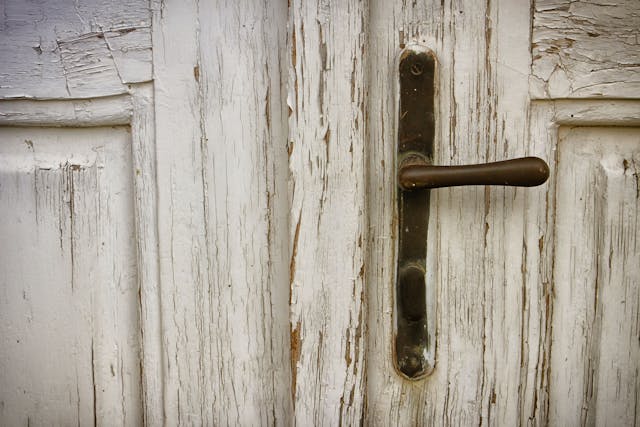
The most well-known source of residential lead is paint applied before 1978. While intact paint is often not an immediate concern, problems arise when it begins to deteriorate. Peeling, chipping, or chalking paint can release fine dust that settles on floors and window sills. Areas with frequent friction—such as windows, doors, stair railings, and cabinets—are especially prone to generating lead dust over time.
Windows and Doors
Older windows deserve special attention. As they open and close, painted surfaces rub together, creating dust that can accumulate in window troughs and nearby floors. This dust can easily spread through the home, particularly during cleaning or renovation activities.
Basements, Attics, and Utility Areas
Less-frequented spaces often go unnoticed, but they can harbor lead hazards. Basements may contain old painted surfaces, exposed pipes, or settled dust from decades past. Attics can collect dust from deteriorating roof materials or old insulation. These areas are often disturbed during repairs or storage access, potentially redistributing contaminants.
Plumbing and Drinking Water
Lead can also be present in household water systems. Older homes may have lead service lines, lead-containing solder, or brass fixtures that contribute small amounts of lead to drinking water. Kitchens and bathrooms are the primary areas of concern, particularly when water has been sitting in the pipes for several hours.
Soil Tracked Indoors
Exterior soil near the foundation can contain lead from historic use of leaded paint and gasoline. This soil can be tracked indoors on shoes, pets, or equipment, settling onto floors and entryways. Over time, it becomes part of the indoor dust load.
Garages and Storage Spaces
Garages may contain lead from old paint, automotive products, or stored materials. Dust from these areas can migrate into living spaces, especially when garages are attached to the home.
Household Items and Fixtures
Certain older or imported items—such as ceramic dishes, pottery, or decorative fixtures—may contain lead in glazes or finishes. While not part of the structure, they can still contribute to exposure if used regularly.
Identifying these potential sources allows homeowners to make informed decisions about testing, maintenance, and renovations. Awareness is the first layer of protection, and a careful, methodical approach helps ensure a healthier home environment for years to come.