
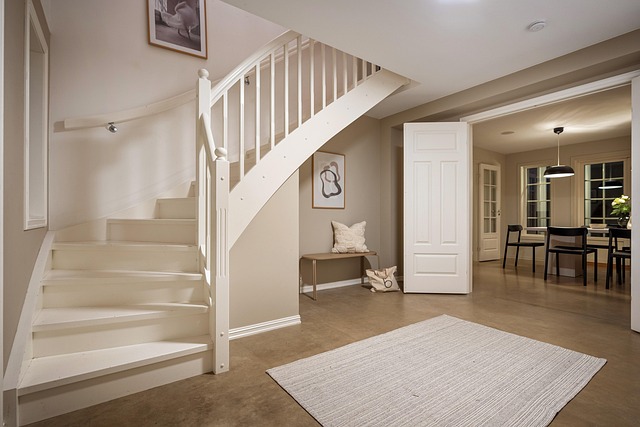
Stairs are one of the most frequently used features in a home—and one of the most common sources of household injuries. Because they are subject to daily wear and constant foot traffic, stairs deserve regular attention. Thoughtful maintenance and targeted safety improvements can significantly reduce risks, especially for individuals who are visually impaired or have limited mobility.
Start With Structural Soundness
The foundation of stair safety is solid construction. Steps should feel firm underfoot, without looseness, creaking, or movement. Treads and risers should be consistent in height and depth from top to bottom. Even small variations can disrupt balance and increase the likelihood of trips. Any cracked, split, or damaged components should be repaired promptly, as deterioration tends to worsen over time.
Improve Traction and Reduce Slip Hazards
Slippery stairs are a major concern. Smooth wood, polished stone, or worn finishes can become hazardous, particularly when wet. Non-slip tread strips, textured finishes, or low-profile stair runners can improve grip without compromising appearance. For those with limited mobility, consistent traction is essential for confidence and stability when navigating stairs.
Prioritize Lighting and Visibility
Good lighting is critical for stair safety, especially for individuals with visual impairments. Stairways should be evenly lit from top to bottom, avoiding harsh shadows or glare. Light switches should be accessible at both ends of the staircase. Consider motion-activated lighting or low-level step lights to improve visibility at night. Clearly defined stair edges can also help users distinguish each step more easily.
Install and Maintain Secure Handrails
Handrails are not optional—they are a vital safety feature. A sturdy handrail should be present on at least one side of the staircase, and ideally on both. It should be securely fastened, easy to grip, and continuous from the first step to the last. For users with limited mobility, a reliable handhold provides balance support and reduces strain on joints.
Enhance Contrast and Wayfinding
Visual contrast plays a significant role in stair safety. Using contrasting colors or materials on stair edges helps define each step, making navigation easier for those with reduced vision. Avoid busy patterns that can be visually confusing. Clear, simple design choices often offer the greatest safety benefits.
Commit to Regular Inspections and Upkeep
Routine checks help catch issues early. Loose carpet, worn nosings, inadequate lighting, or unstable railings should never be ignored. Addressing minor concerns promptly can prevent serious accidents and extend the life of the staircase.
Well-maintained stairs contribute to a safer, more accessible home for everyone. By focusing on structural integrity, visibility, traction, and support, homeowners can create stairways that are not only durable but also inclusive and secure for all who use them.